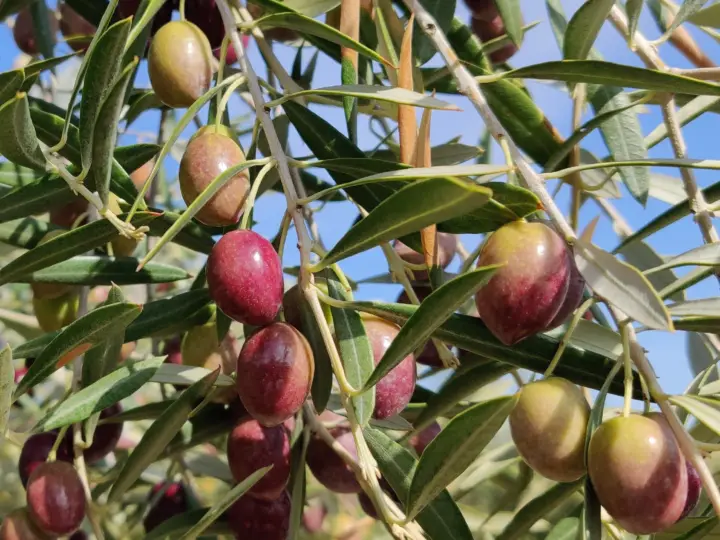
Tasting olive oil is not just for experts. With a glass, a little warmth and some attention you can discover aromas you had never noticed, compare varieties and, above all, learn to recognise a genuine extra virgin. This is a practical guide to doing it at home.
In short
- Pour about 15 ml of oil into a small glass and warm it in your hand to around 28 °C.
- Smell it first, then take a small sip and draw in air to spread it around your mouth.
- Look for the three positive attributes: fruity, bitter and pungent.
- Learn to spot the most common defects: fusty/muddy sediment, musty, winey and rancid.
What you need
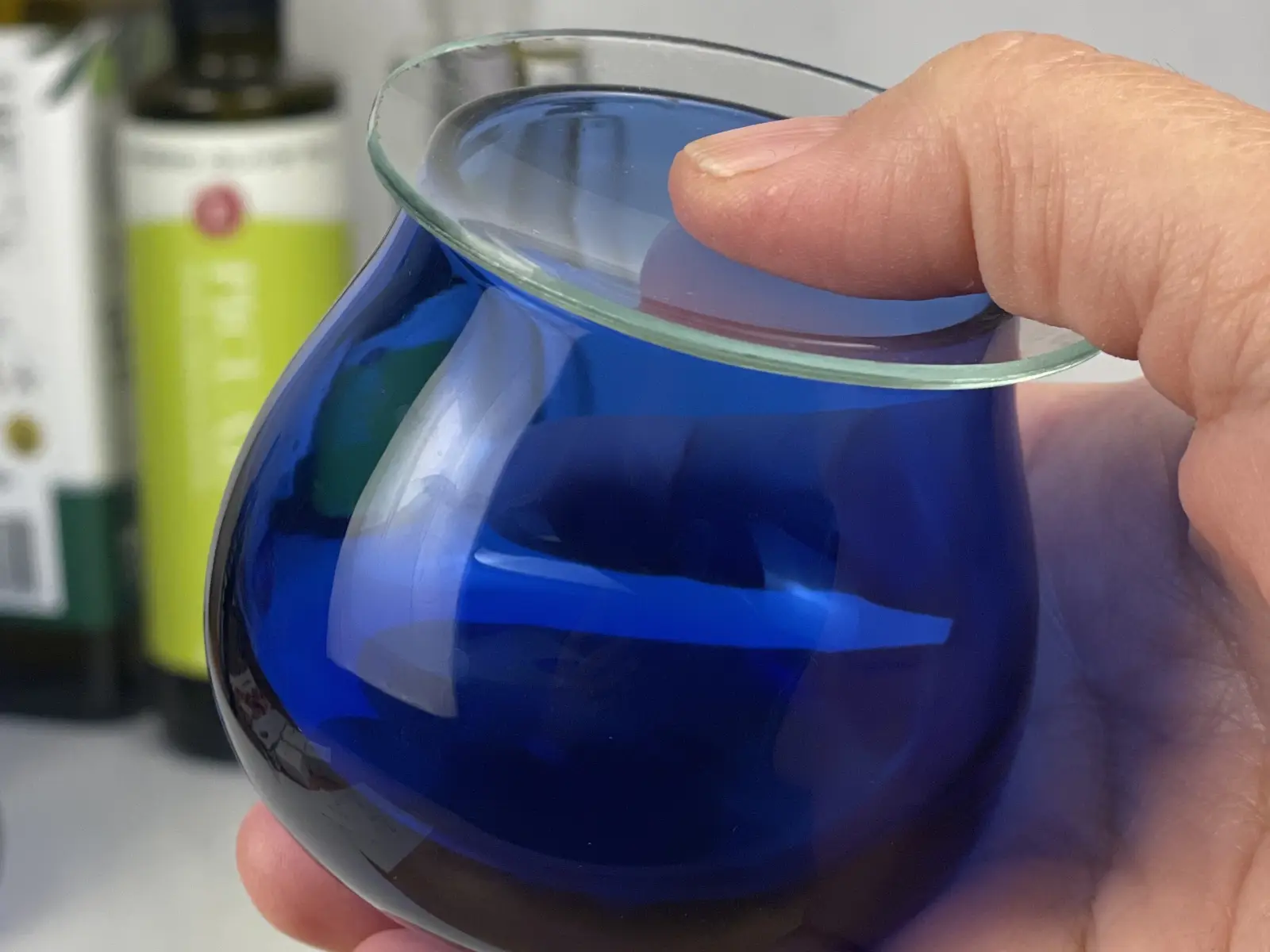
- Small glasses, ideally dark or blue. Professional tasters use blue glasses so that colour doesn’t influence them: the colour of an oil does not indicate its quality.
- A cover for each glass (a saucer or lid) to concentrate the aromas.
- Water and a few slices of green apple to cleanse your palate between oils.
- Two or three different oils, preferably of different varieties. Comparing is the fastest way to learn.
Choose a time away from meals, without perfume or recent coffee, in a room free of strong smells.
Step by step
- Pour about 15 ml (a tablespoon) into the glass and cover it.
- Warm the glass in the palm of your hand for one or two minutes, swirling it gently. At around 28 °C the oil releases its aromas.
- Smell. Uncover, bring your nose close and breathe in slowly and deeply. Grass? Tomato? Apple? Almond? Note what you perceive.
- Taste. Take a small sip and spread it all around your mouth.
- Draw in air between your teeth in short sips, a technique tasters call strippaggio. This carries the aromas to your nose retronasally.
- Swallow or spit and wait a few seconds: the pungency usually appears at the end, in the throat.
- Cleanse your palate with water and apple before moving on to the next oil.
The three positive attributes
| Attribute | What it is | How it is perceived |
|---|---|---|
| Fruity | Aromas of healthy, fresh olives, green or ripe | Through the nose, directly and retronasally |
| Bitter | The taste of green olives or olives at veraison | At the back of the tongue |
| Pungent | A peppery, tactile sensation typical of fresh oils | In the throat, a few seconds later |
Within the fruitiness you find the nuances that give each variety its personality: freshly cut grass, olive leaf, tomato plant, artichoke, almond, apple, banana, fig tree… A great oil shows clear fruitiness and well-balanced bitterness and pungency.
The most common defects
A single defect is enough for an oil to stop being extra virgin. These are the most frequent and how to recognise them:
- Fusty/muddy sediment: reminiscent of fermented olives or table olives in brine. It appears when the fruit waits too long before milling.
- Musty-humid-earthy: a smell of damp earth or fungi, from mouldy olives.
- Winey-vinegary: reminiscent of wine or vinegar, from fermentation.
- Rancid: a smell of stale nuts or paint, from oils oxidised by air, light or time.
- Metallic, heated or burnt, or vegetable water: processing defects, less common.
Start with single-variety oils
To train your palate, nothing beats comparing pure varieties. We suggest this order, from milder to more intense:
- Arbequina: apple, almond, sweetness.
- Hojiblanca: grass, artichoke, a pungent finish.
- Cornicabra: aromatic herbs, medium-high bitterness.
- Picual: tomato plant, leaf, robust bitterness and pungency.
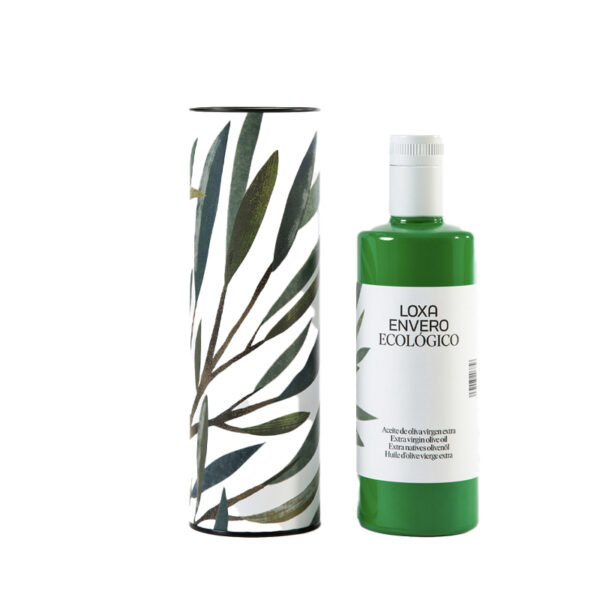
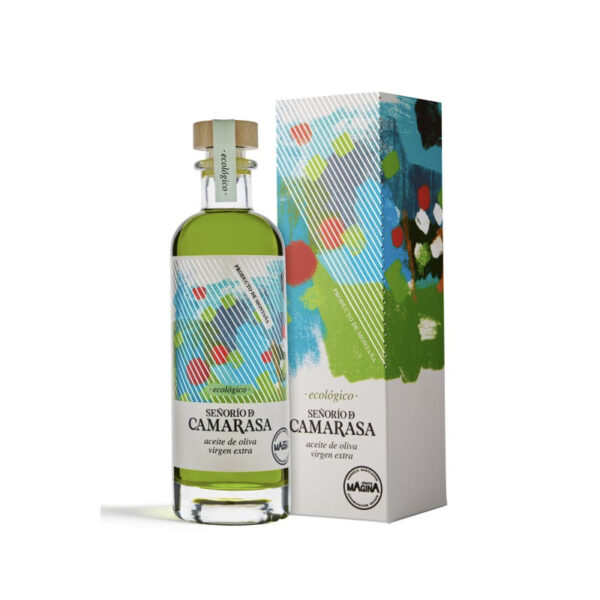
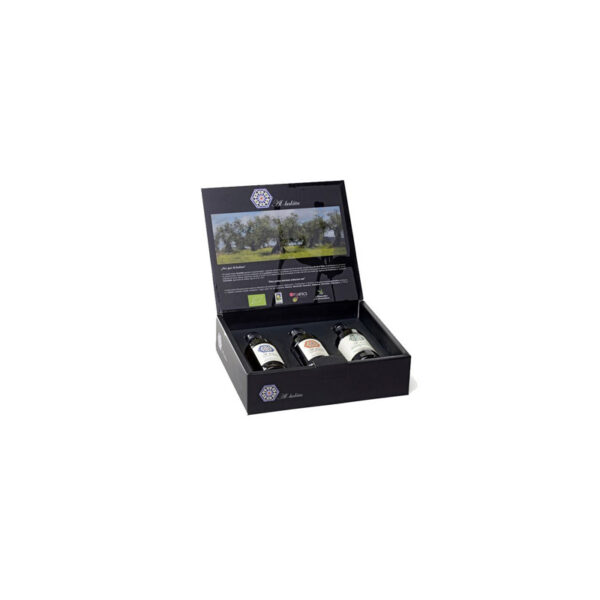
Our organic single-variety gift sets are designed for exactly this tasting at home.