Far from Andalusia, in the Montes de Toledo and on the plains of Ciudad Real, grows one of Spain’s most widely planted varieties. Cornicabra gives intense, aromatic and remarkably stable oils, yet it remains one of the great unknowns for shoppers. Here is where it comes from, what it tastes like and how to enjoy it.
In short
- Cornicabra is the traditional variety of Castilla-La Mancha, above all Toledo and Ciudad Real.
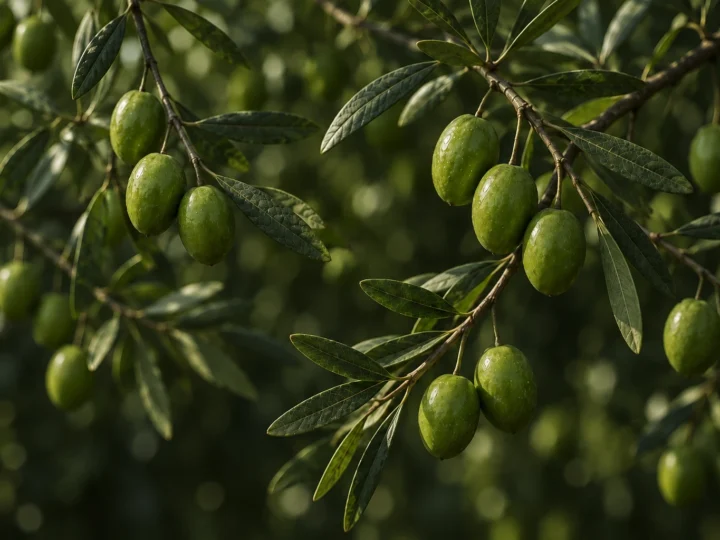
- Its name comes from the curved shape of the olive, which recalls a goat’s horn.
- It gives oils with green fruitiness, notes of grass, apple and almond, and intense bitterness and pungency.
- Thanks to its high oleic acid and polyphenol content, it is one of the most stable varieties.
The horn-shaped olive
One look at a Cornicabra olive explains its name: it is elongated, asymmetric and curved at the tip, like a small horn. It is grown mainly in Castilla-La Mancha, especially Toledo and Ciudad Real, and also in parts of Madrid and Badajoz. It is the basis of the Montes de Toledo Protected Designation of Origin, which covers oils of this variety only.
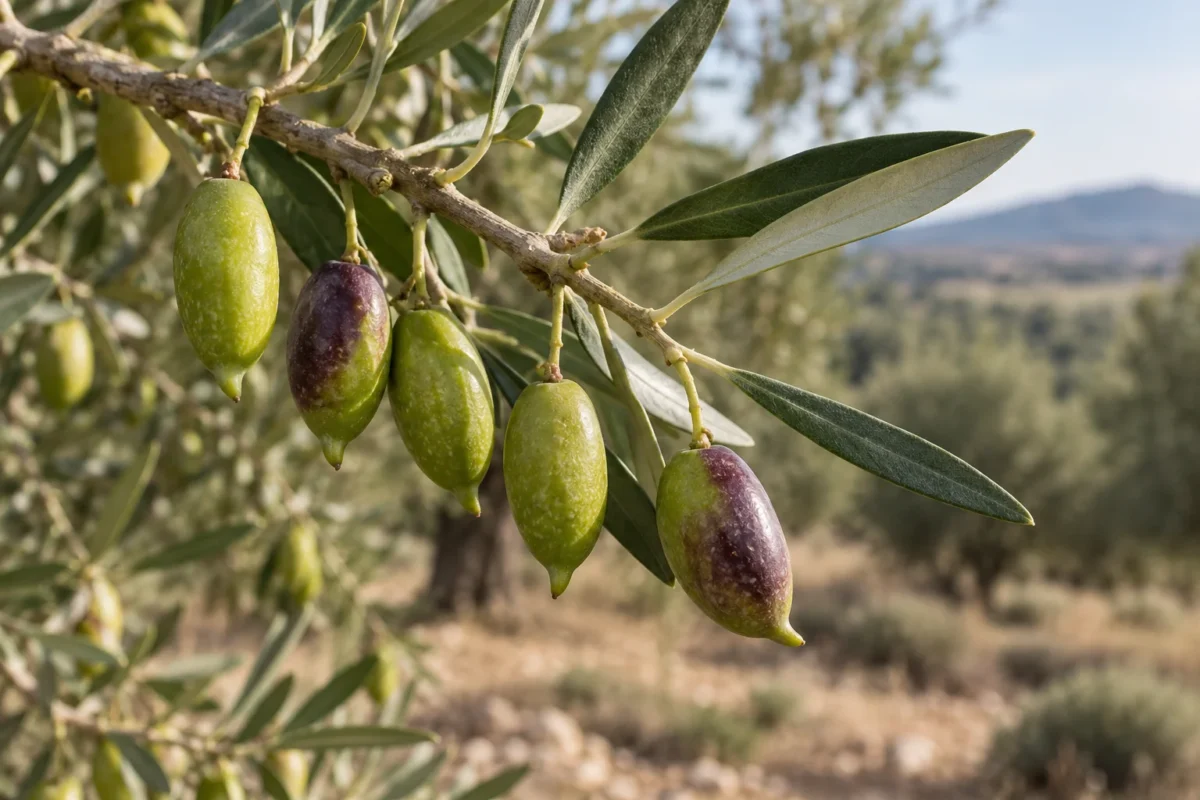
A hardy, dry-farmed grove
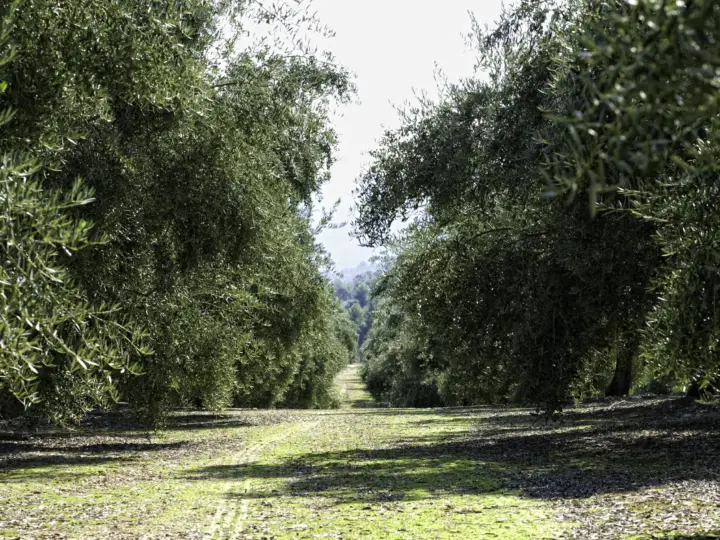
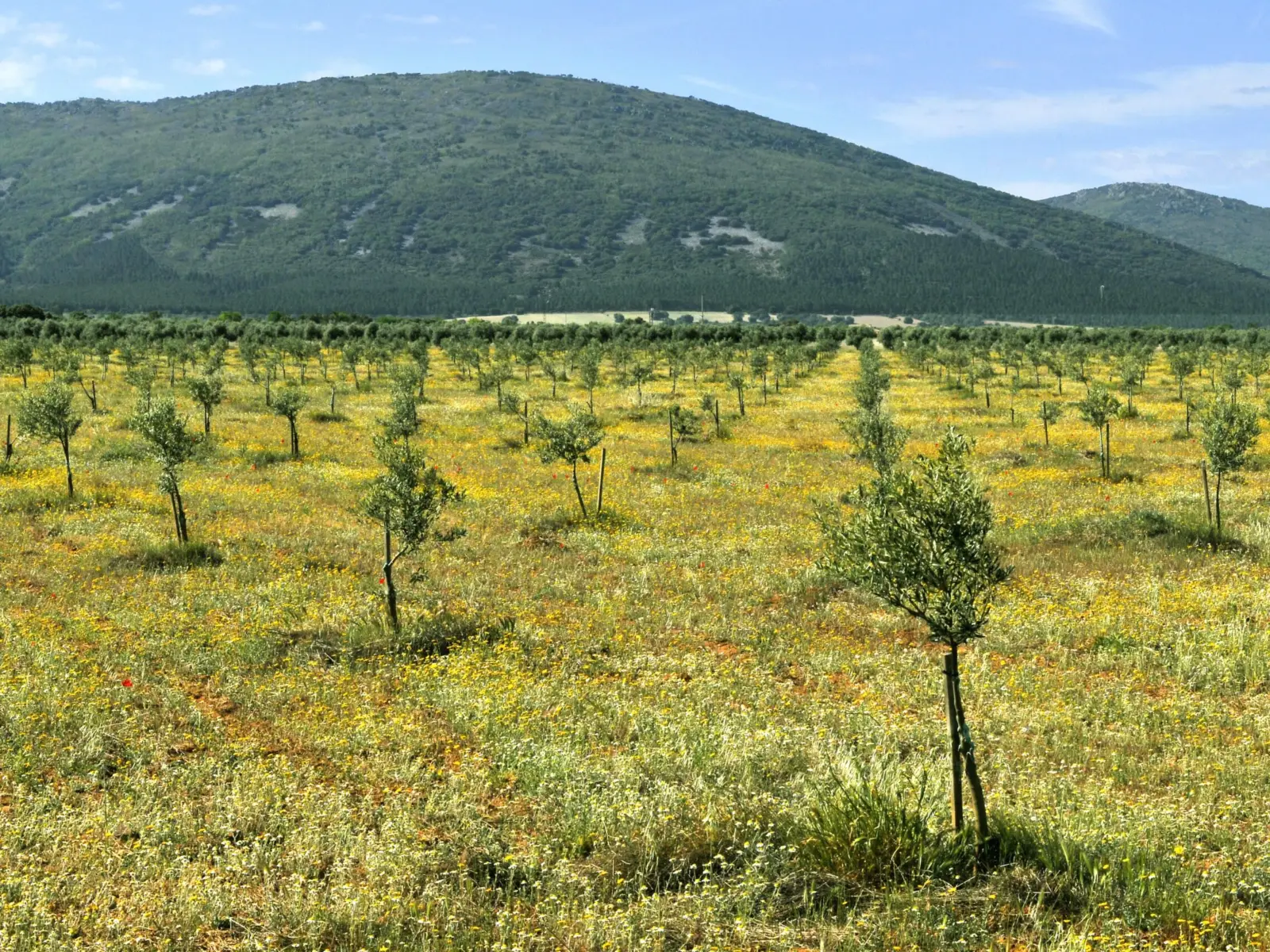
Cornicabra groves are mostly traditional and rain-fed, with cold winters and very hot summers. The tree is hardy and late-ripening, and copes well with frost and drought. Many of its groves sit alongside Mediterranean scrubland of holm oak, rockrose, thyme and rosemary, a landscape you can sense in the oil’s aroma.
The olive is hard to detach from the tree, which has traditionally made harvesting more laborious. Picked early, while still green, it gives the most intense and aromatic oils.
What Cornicabra olive oil tastes like
- Fruitiness
- Green, intense
- Aromas
- Grass, olive leaf, green apple, almond, aromatic herbs
- Bitterness
- Medium-high
- Pungency
- Medium-high, lingering
- Thyme
- Rosemary
- Fresh grass
- Green apple
- Almond
- Olive leaf
Good Cornicabra oils sometimes recall the thyme or rosemary of the scrubland around their groves. With riper olives the oil becomes sweeter, with notes of ripe fruit and nuts.
Cornicabra is La Mancha in a glass: scrubland, grass and a bitterness that stays.
One of the most stable varieties
Cornicabra combines a very high oleic acid content with a notable amount of polyphenols. Together with Picual, that makes it one of the varieties most resistant to oxidation: it stays fresh for longer and copes well with cooking temperatures.
Cornicabra versus Picual
Cornicabra
- Castilla-La Mancha.
- Aromatic herbs, apple and almond.
- Medium-high bitterness and pungency, long finish.
Picual
- Andalusia, above all Jaén.
- Tomato plant, leaf and fig.
- Intense bitterness and pungency, full body.
They share power and stability, but not aromas. If you like oils with character, tasting them side by side is a lesson in itself. Our guide on how to taste olive oil shows you how.
Pairings and cooking
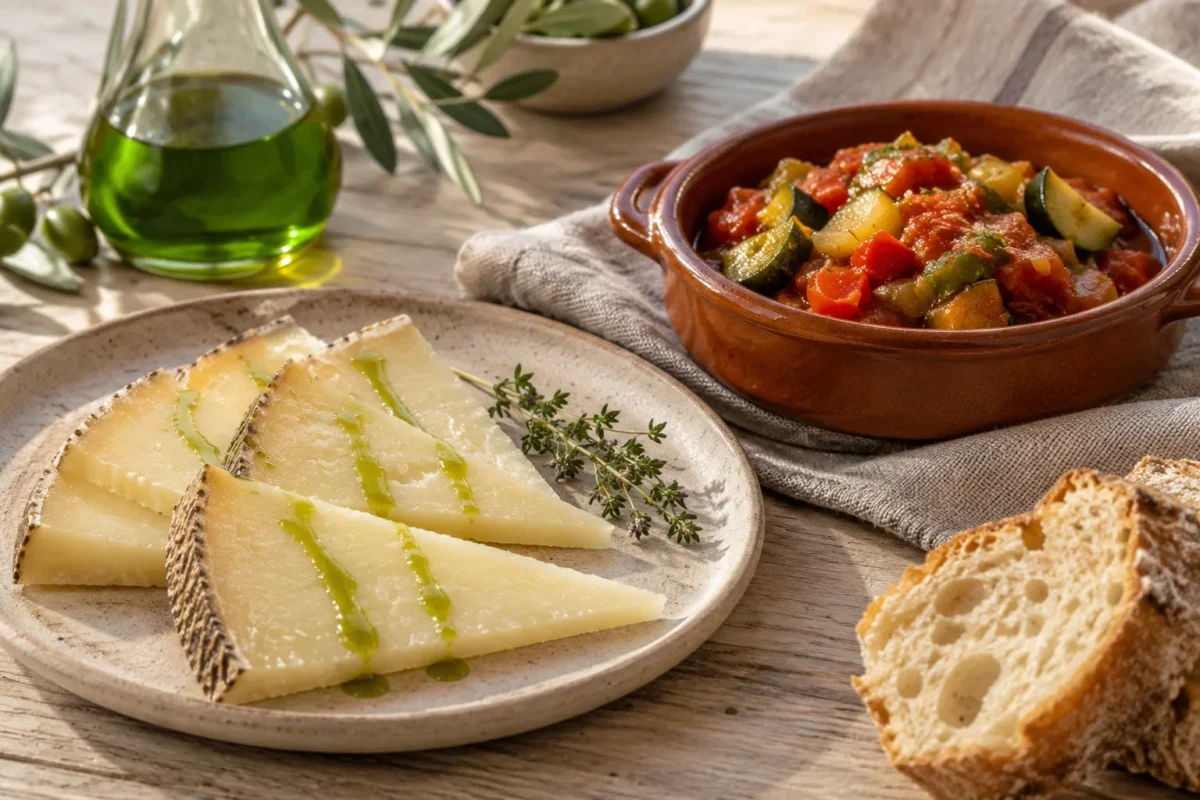
Raw
Cheese and toast
Aged Manchego cheese, toast with tomato and ham, tomato and onion salads.
La Mancha cooking
Pisto, migas and gachas
Its intensity holds up to traditional dishes without getting lost.
Stews
Game and casseroles
Braised partridge, venison or pulses, with a raw drizzle at the end.
On the heat
Roasting and frying
Its stability makes it very good for roasting vegetables and for frying.
Organic Cornicabra in our shop
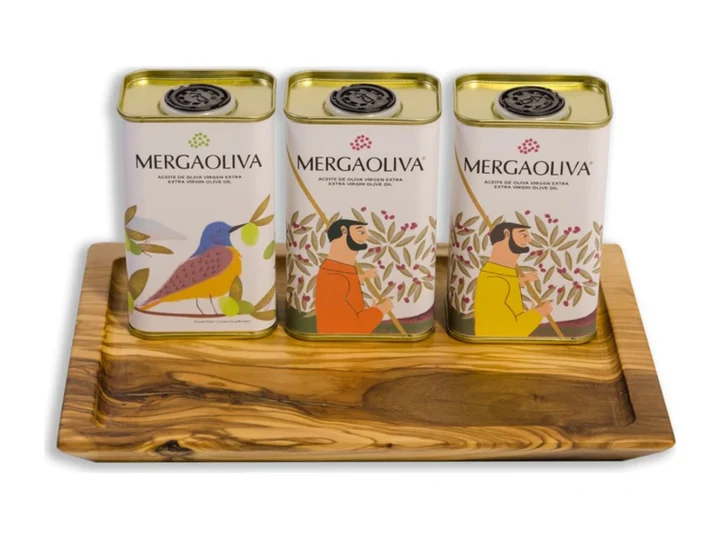
We have two ways to get to know it: the organic single-variety oil from Set d’Oli and an organic Cornicabra in 500 ml. If you like intense, stable oils, compare it with Picual.
Cornicabra olive oil FAQ
Where is Cornicabra olive oil produced?
Mainly in Castilla-La Mancha, in Toledo and Ciudad Real, and also in parts of Madrid and Badajoz. The Montes de Toledo PDO covers oils of this variety only.
Why is it called Cornicabra?
Because of the shape of its olive: elongated, asymmetric and curved at the tip, like a goat’s horn («cuerno de cabra»).
What does Cornicabra olive oil taste like?
It has an intense green fruitiness with notes of grass, apple, almond and aromatic herbs, and medium-high bitterness and pungency.
Is it good for cooking?
Yes. It is one of the most stable varieties, so it works raw as well as in stews, roasts and frying.
What is the difference between Cornicabra and Picual?
Both are intense and stable. Cornicabra leans towards scrubland herbs and apple; Picual towards tomato plant and fig, with more body.