Some people treasure their organic oil, keep it for bread alone and reach for another bottle when they light the hob. There is no need. Extra virgin, organic or not, is a magnificent oil for cooking and frying: it stands up to heat, browns without soaking and leaves a flavour on the plate that no other oil gives. The key is choosing the right variety and size.
In short
- Extra virgin olive oil handles frying temperatures well, around 170–180 °C.
- Picual is the most heat-stable variety; Hojiblanca also works very well.
- For daily cooking, choose large containers, tins or bag-in-box: they have the lowest price per litre.
- You can reuse frying oil if you filter it and never let it smoke.
Can you fry with extra virgin olive oil?
Yes, and very well. Extra virgin easily handles the usual home frying temperatures, between 160 and 180 °C, and forms a golden, crisp crust that absorbs less oil. The only limit is not letting it smoke.
Which variety to choose for heat
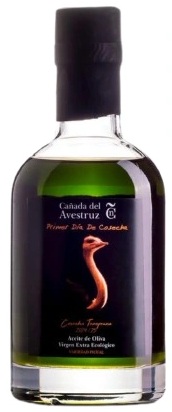
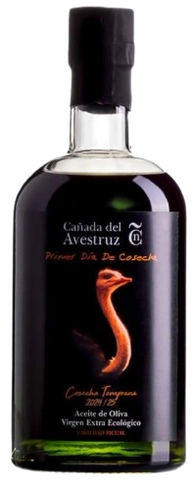
- Picual: the most heat-stable thanks to its composition. Ideal for frying, long stews and sofrito. For example, Cañada del Avestruz organic Picual in 3 litres, from Porcuna (Jaén), or Oro del Desierto organic Picual 1 litre.
- Hojiblanca: very versatile, good for sautéing, roasting and frying.
- Arbequina: more delicate; it shines raw, in baking or in gentle cooking.
To explore the taste of each, see our guide to organic olive oils by variety.
Format: where you really save
For the oil you use every day, the format matters more than the brand. Large containers have a much lower price per litre than small bottles:
- 5-litre containers, such as Loxa Morayma Bio or Al Balata organic Extremadura varieties.
- 3-litre bag-in-box, such as Señorío de Relleu Organic Coupage: the tap keeps air and light out as you pour.
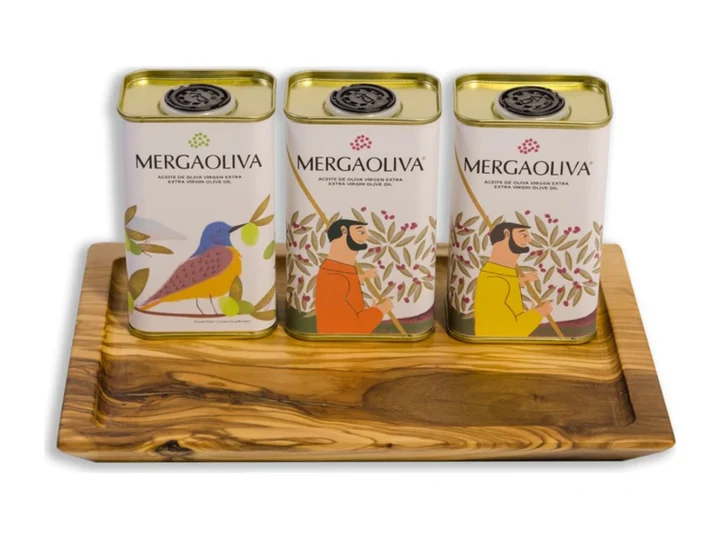
- 1-litre tins, such as the O-Med organic tin: they protect the oil from light.
You will find them all in organic oil in tins, containers and bag-in-box, with the price per litre shown. We explain why organic costs a little more, and how to compare, in organic olive oil prices.
How to reuse frying oil
- Fry at the right temperature and never let the oil smoke.
- Once cool, filter it through a fine sieve or kitchen paper.
- Store it covered, somewhere cool and dark, and use it for similar frying.
- Discard it when it darkens a lot, smells strong or foams.
Making a large format last
A 5-litre container lasts weeks at home. To keep its aroma, fill a small cruet and keep the container tightly closed, away from light and the heat of the hob. More tips in how to store olive oil.