
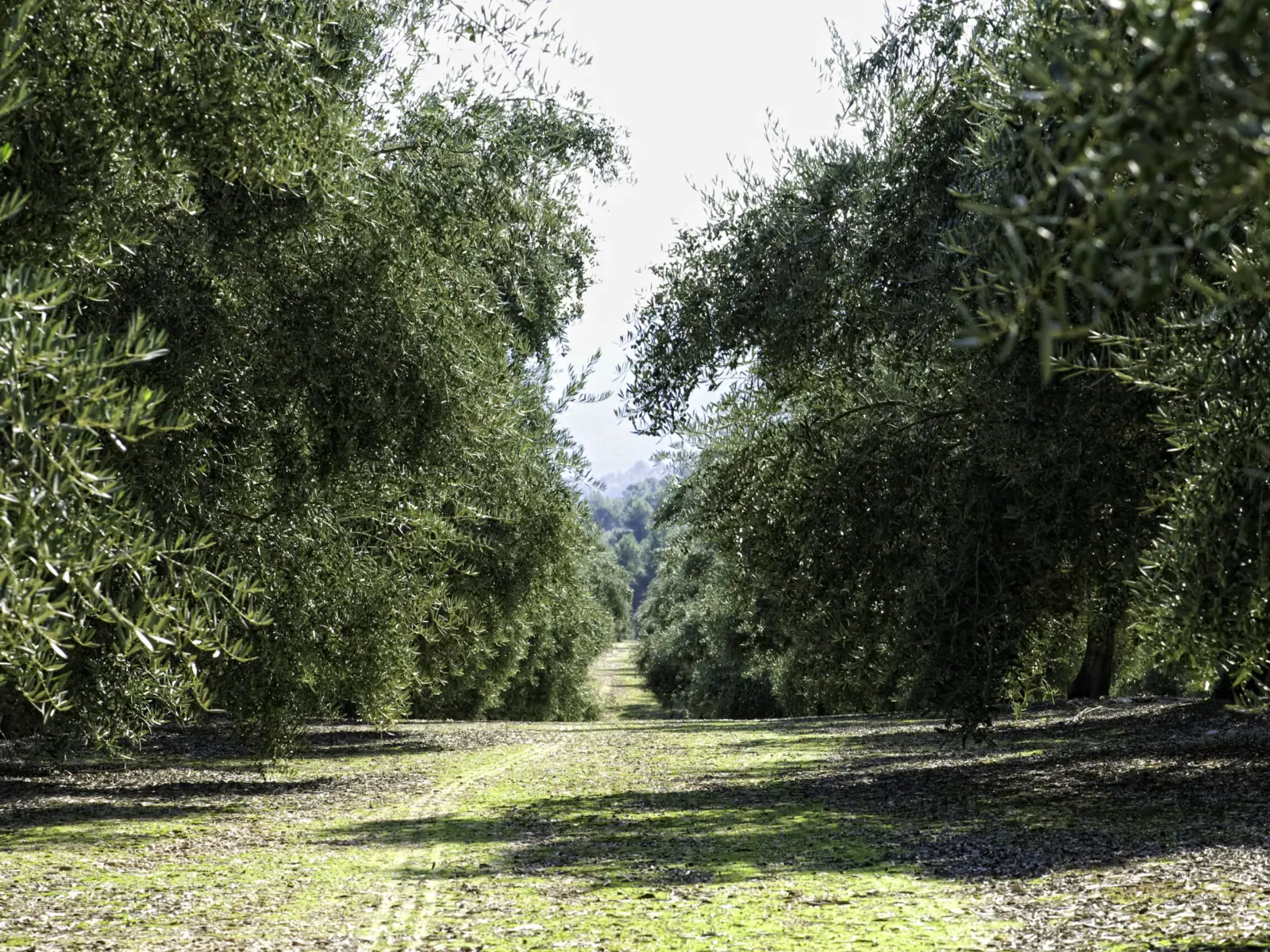
If one olive defines Spanish olive oil, it is Picual. It is the most widely grown variety in the country, the undisputed queen of Jaén and the source of some of the most intense and award-winning extra virgin olive oils in the world. Getting to know it is the best way into olive oils with character.
In short
- Picual is the most widespread olive variety in Spain; in Jaén it covers the vast majority of olive groves.
- It gives intense oils, with leafy, grassy and tomato-plant fruitiness, and marked bitterness and pungency.
- Its high oleic acid and polyphenol content makes it one of the most stable and long-lasting varieties.
- It is ideal raw on toast, and with stews, meat and for frying.
Origin and growing areas
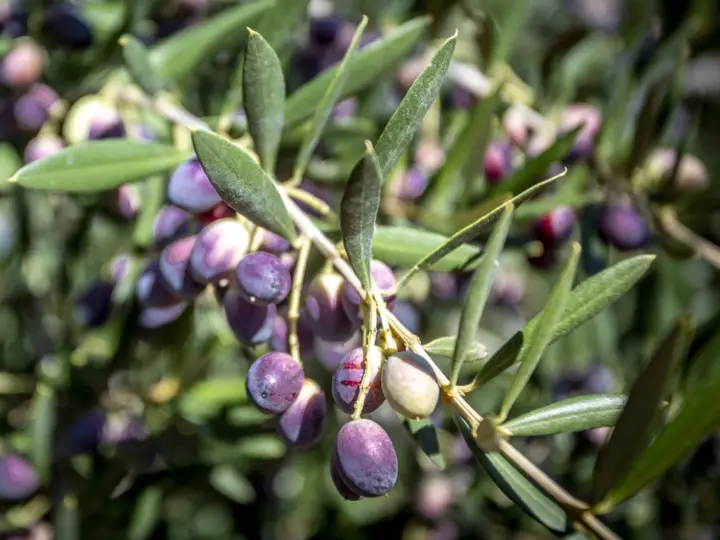
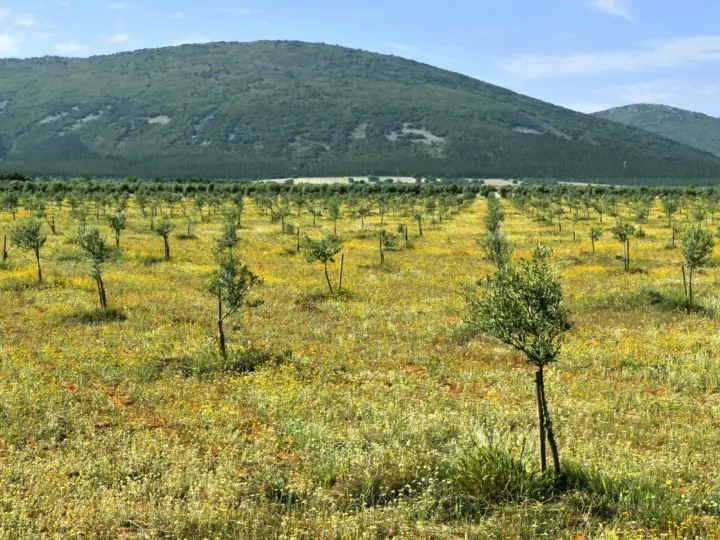
Its name comes from the shape of the fruit, which ends in a small point (pico in Spanish). Depending on the area it is also known as Marteña, Nevadillo blanco or Lopereña. Its heartland is Jaén, the largest olive oil producing province in the world, although it is also grown in Córdoba, Granada and other parts of Andalusia, Castilla-La Mancha and Extremadura.
Several Protected Designations of Origin work mainly with Picual: Sierra Mágina, Sierra de Segura, Sierra de Cazorla and Aceite de Jaén, among others. The altitude and soils of each range give it different nuances.
What Picual olive oil tastes like
Picual is a variety with personality. In a good-quality oil, and especially in early harvest oils, you will find:
- Fruitiness
- Green, medium to robust
- Aromas
- Olive leaf, grass, tomato plant, fig tree
- Bitterness
- Medium to high, elegant
- Pungency
- Marked and persistent
When the olives are picked riper, the oil gains fruity notes such as banana or ripe apple and the bitterness softens, but it keeps its character. Far from being a defect, bitterness and pungency are a sign of a high polyphenol content.
Why it keeps so well
Picual has one of the highest oleic acid contents among Spanish varieties, usually above 75%, and very little linoleic acid, the fat most prone to oxidation. Add its abundant polyphenols and the result is an oil that stands up better to time and to high temperatures.
In practice this means two things: a well-stored Picual stays fresh for more months than other varieties, and it is an excellent choice for frying, because it breaks down less with heat.
Pairings: where it shines
- Raw: on toast with tomato, in salmorejo and gazpacho, or in salads of bitter leaves.
- With meat and game: its intensity goes well with chargrilled red meat and game stews.
- Pulses and roast vegetables: a drizzle at the end transforms a plate of chickpeas or some artichokes.
- Mature cheeses and escabeche.
- Frying: fried eggs, chips or marinated fish.
Organic and biodynamic Picual
Many Picual groves are traditional, rain-fed and on hillsides, which makes them particularly suited to organic farming. In our shop you will find Picual in different styles:
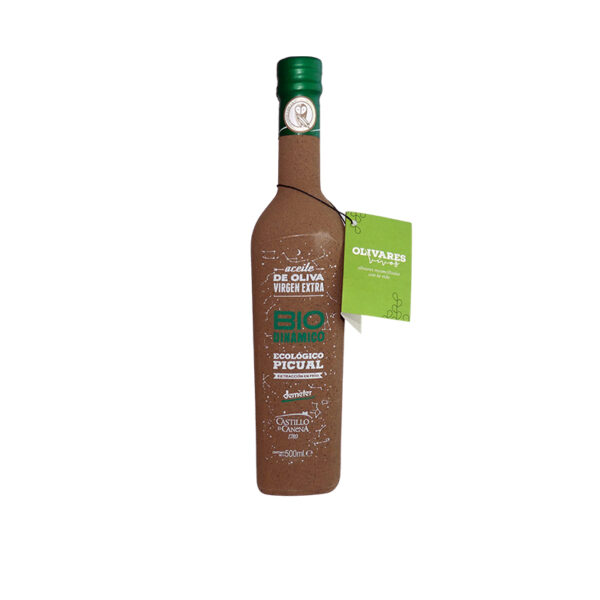
- The Olivares Vivos and biodynamic oils from Castillo de Canena, from groves that actively encourage biodiversity.
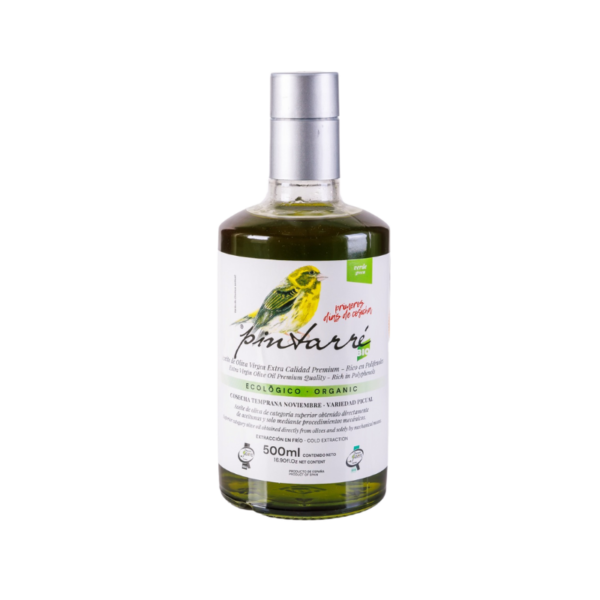
- The Picual oils from Pintarré, early harvest from the Sierra Mágina.
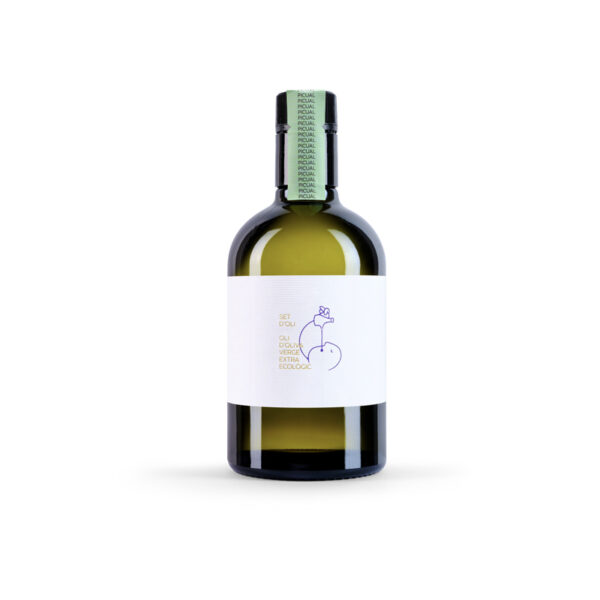
- An organic single-variety oil from Set d’Oli, perfect for discovering the variety.
Want to compare it with others? Read our guides to Arbequina, Hojiblanca and Cornicabra.
.jpg)