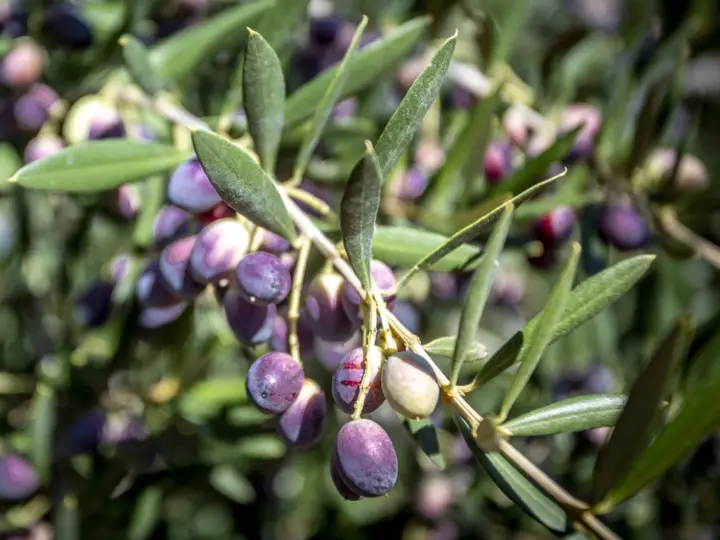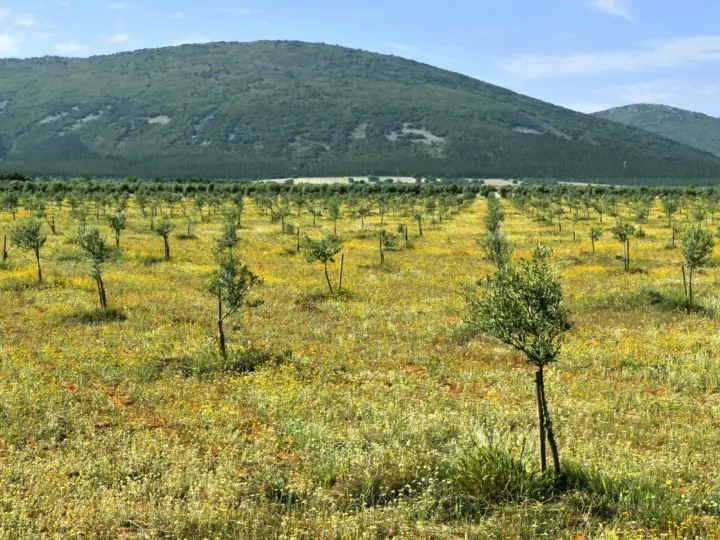
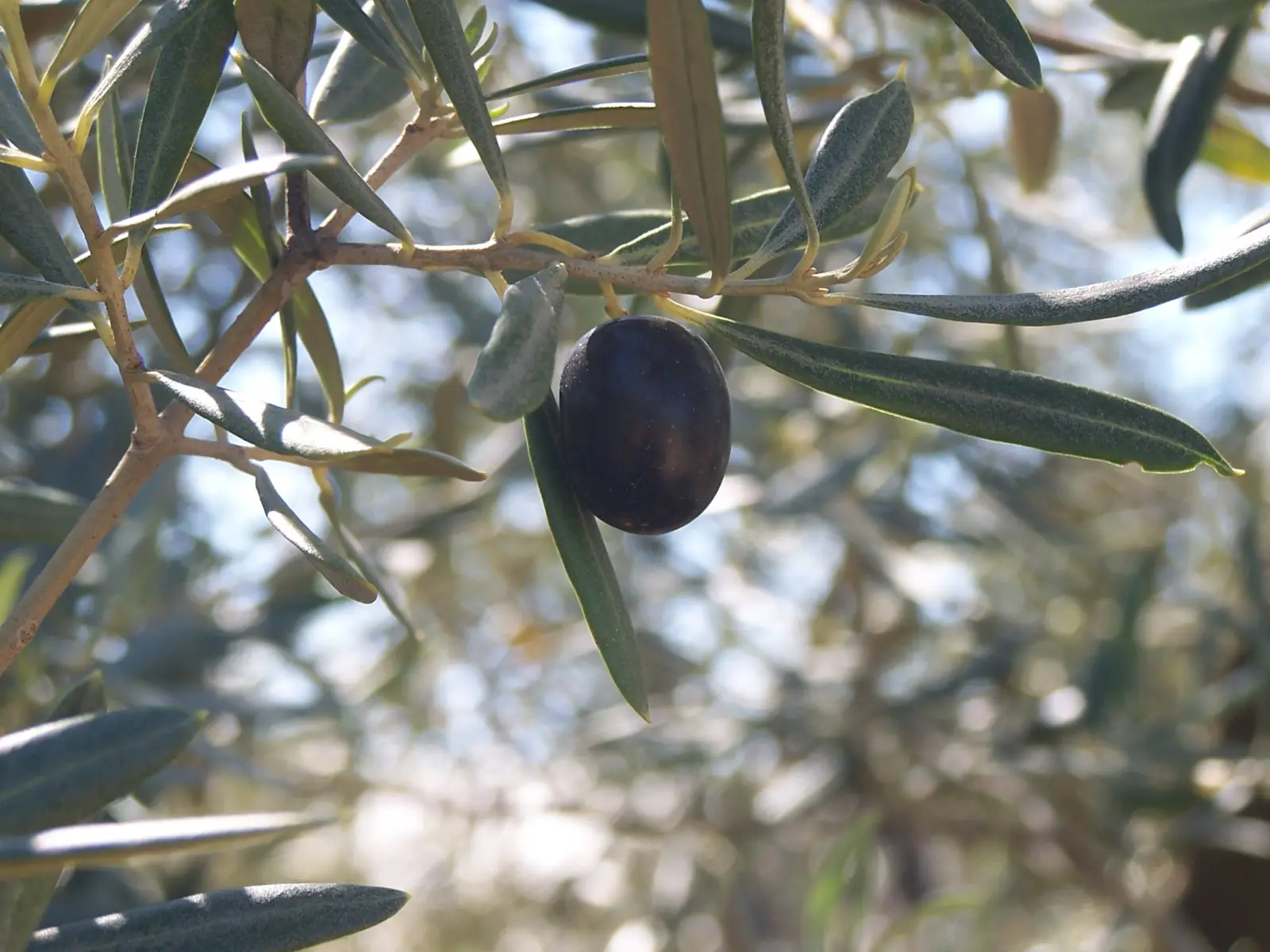
Between the power of Picual and the sweetness of Arbequina there is a variety that plays a different game: balance. Hojiblanca, the star of the countryside of Córdoba, Málaga and Seville, gives complex, fresh oils that are very easy to enjoy with any dish.
In short
- Hojiblanca is grown mainly across southern Córdoba, northern Málaga, Seville and Granada.
- Its name comes from the whitish underside of its leaves (hoja blanca means “white leaf”), paler than in other varieties.
- It gives oils with aromas of grass, artichoke and almond, a delicate bitterness and a pungency that appears at the end.
- It is a dual-purpose variety: good for oil and for table olives.
The variety of the Andalusian countryside
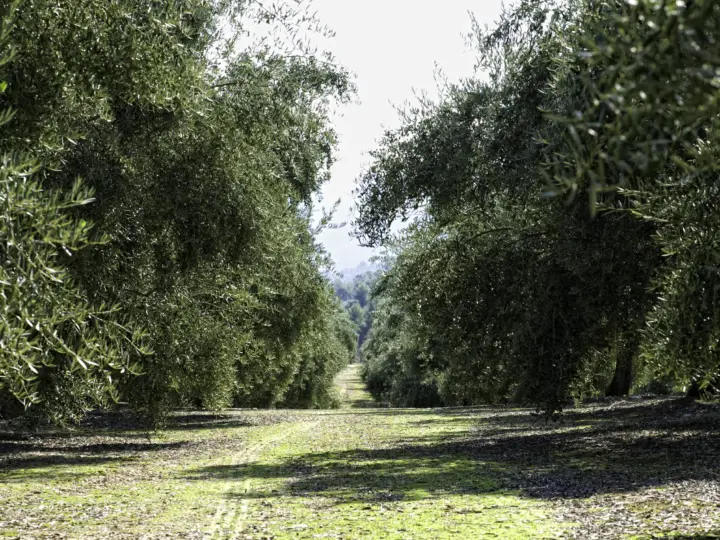
After Picual, Hojiblanca is one of the most important varieties in Andalusia. It dominates the landscape in areas such as the Subbética in Córdoba, Antequera and the Sierra Sur of Seville, is the basis of Protected Designations of Origin such as Antequera and Estepa, and also features in others such as Priego de Córdoba.
The tree itself explains the name: the underside of the leaf is a very pale silver and, when the wind blows, the whole grove seems to turn white. It is a vigorous tree, resistant to limestone soils and cold, that adapts well to the rolling farmland.
What Hojiblanca olive oil tastes like
It is a variety of nuances. A good Hojiblanca extra virgin olive oil usually shows:
- Fruitiness
- Green, medium to robust
- Aromas
- Freshly cut grass, artichoke, green almond, tomato
- Bitterness
- Delicate to medium
- Pungency
- Medium, building at the end
A very recognisable feature is its sweet start and peppery finish, which appears in the throat a few seconds later. With riper olives it gains notes of fruit and nuts without losing freshness.
Stability: enjoy it within the year
Its oleic acid and polyphenol content is intermediate, and so is its stability: it keeps better than Arbequina, but not as well as Picual or Cornicabra. Ideally, enjoy it within the year of harvest, when its herbaceous aromas are at their peak.
Pairings
- Salads and crudités, where its artichoke and grass notes really shine.
- Rice dishes and paellas, added at the end for aroma.
- Oily fish and marinades, such as sardines, mackerel or anchovies.
- Vegetable soups and pulses.
- Andalusian baking: olive oil tortas, roscos or pestiños.
Organic Hojiblanca in our shop
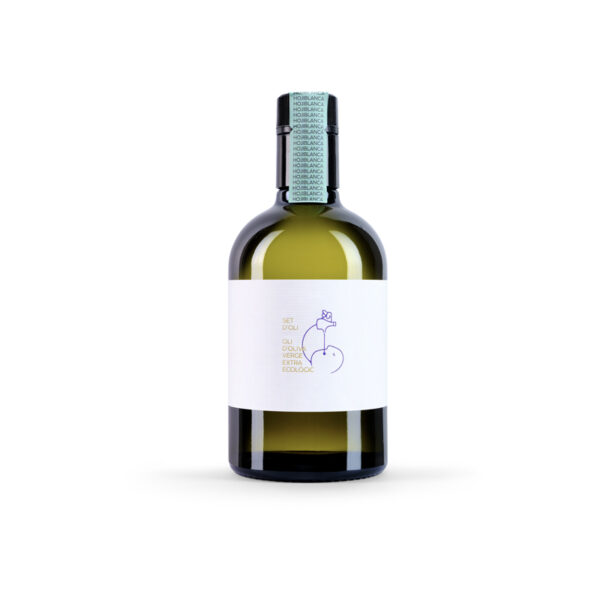
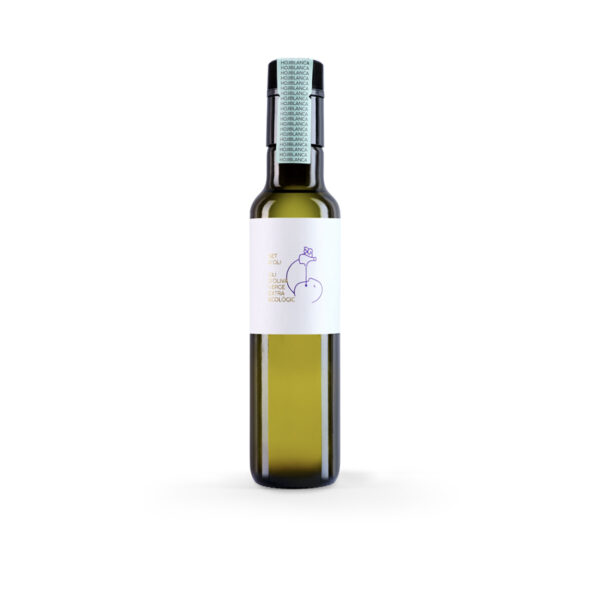
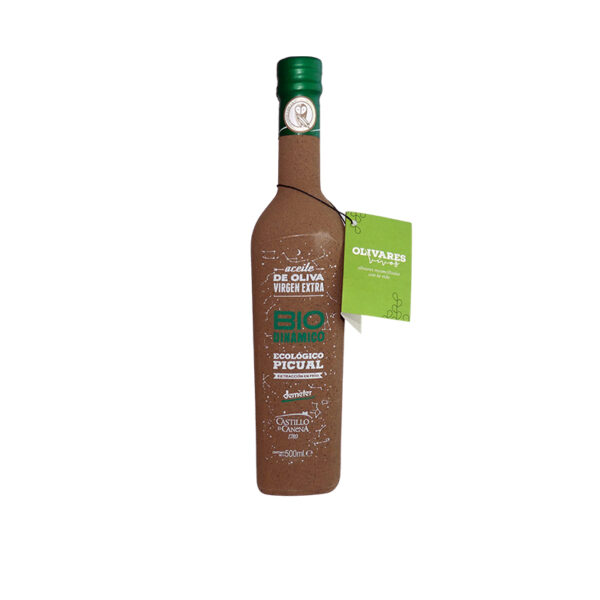
We suggest the organic single-variety oil from Set d’Oli, ideal for tasting on its own or alongside other varieties. You will also find oils from the Priego de Córdoba PDO, where Hojiblanca grows alongside Picuda and Picual, such as the organic Rincón de la Subbética.
Keep discovering varieties with our guides to Picual, Arbequina and Cornicabra.