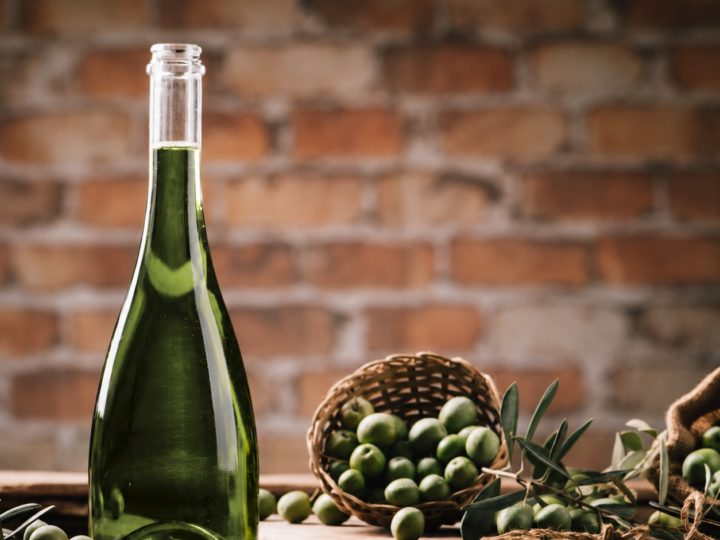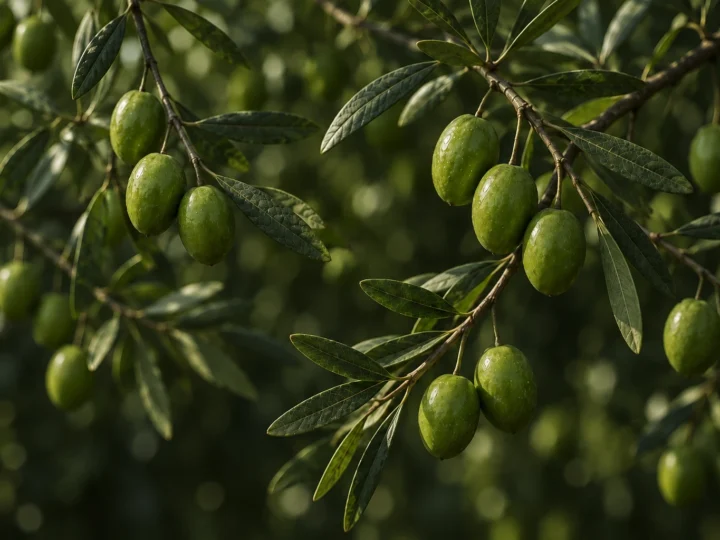
Every autumn, while most trees still hold their glossy green olives, some producers cannot wait. They go out into the groves before anyone else, pick the still-firm fruit and take it to the mill that same afternoon. What comes out is an almost luminous oil that smells of freshly cut grass and catches the throat: early-harvest oil, the greenest, most aromatic and most intense of the year.
In short
- An early harvest oil is made from green olives or olives at veraison, usually between October and early November.
- It is more intense: green fruitiness, herbaceous aromas and marked bitterness and pungency.
- It contains more polyphenols and keeps better than an oil made from ripe olives.
- It costs more because green olives yield much less oil per kilo.
What “early harvest” means
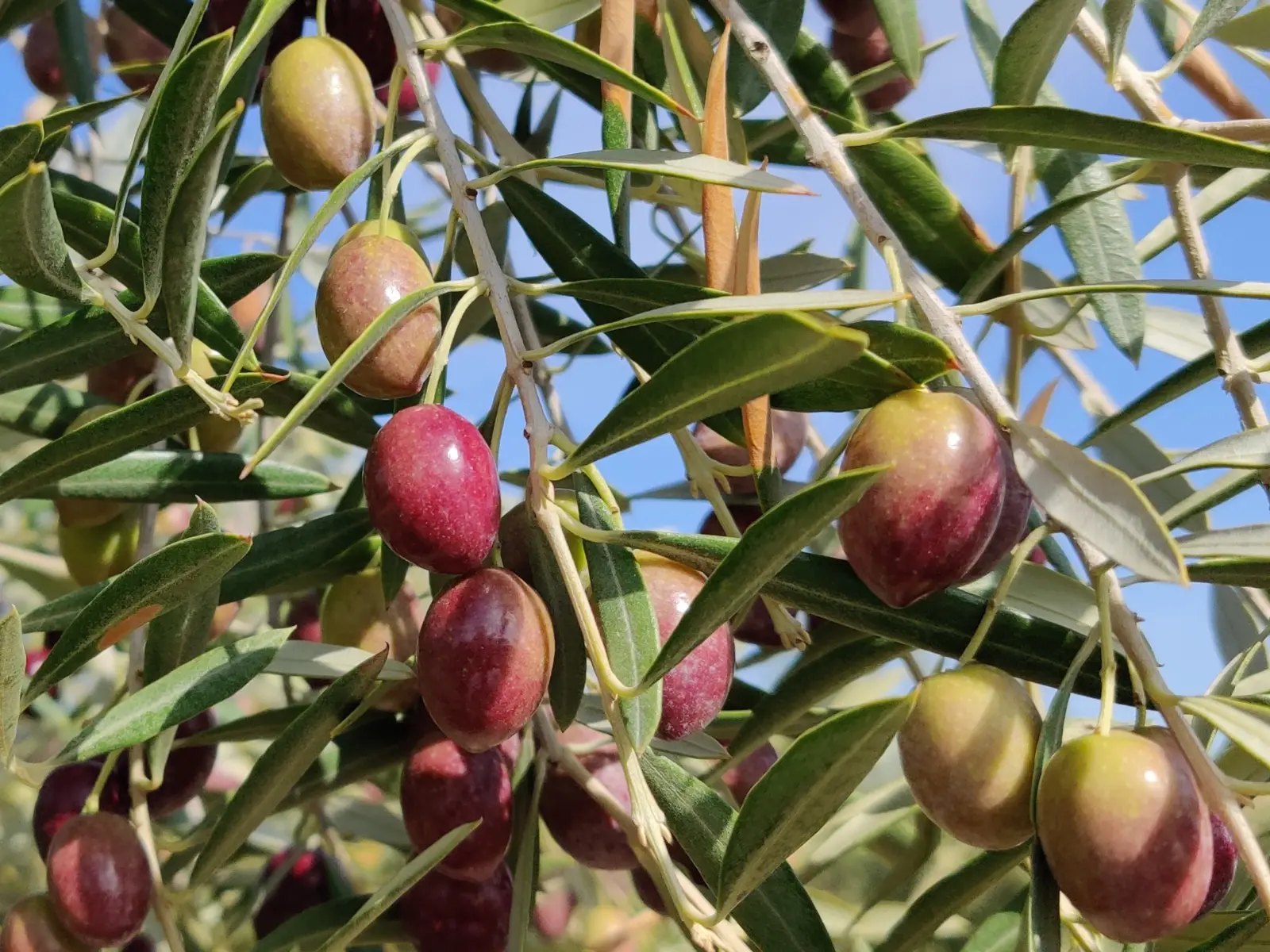
Olives change colour as they ripen: from deep green to yellowish green, then purple (a stage called veraison, envero in Spanish) and finally black. At the same time, the flesh builds up oil and the aromas evolve.
An early harvest oil is made from olives picked at the start of that process, green or just beginning to turn. In southern Spain this usually happens between October and early November, weeks before the main harvest. Many mills also call it “first harvest”, aceite verde (green oil) or, when it is not filtered, aceite en rama.
What early harvest olive oil tastes like
- Colour
- Deep green, often cloudy if unfiltered
- Aromas
- Freshly cut grass, leaf, tomato plant, artichoke
- Bitterness
- Medium to high
- Pungency
- Robust, in the throat
It is a very different experience from an oil made from ripe olives, which is sweeter and smoother. The intensity also depends on the variety: an early Arbequina will be fresh and aromatic, while a Picual or Cornicabra will be powerful with a long finish.
More polyphenols and better keeping
Green olives hold more phenolic compounds than ripe ones. Those polyphenols are what make the oil bitter and peppery, and they also protect the oil itself from oxidation. In addition, olive oil polyphenols contribute to the protection of blood lipids from oxidative stress, in oils with at least 5 mg of hydroxytyrosol and its derivatives per 20 g and with a daily intake of 20 g; early-harvest oils are the ones that usually reach those figures. We tell you more in our extra virgin olive oil guide.
In practice, a good, well-stored early harvest oil stays fresh for longer than one made from ripe olives of the same variety.
Why it costs more
That first oil costs more, and not on a whim: green olives have not yet built up all their oil and contain more water, so far more fruit is needed to fill each bottle. Yield is the main reason, and other costs add to it:
- Early harvesting is usually done in small batches and with more care.
- The olives are milled within hours, at a controlled temperature.
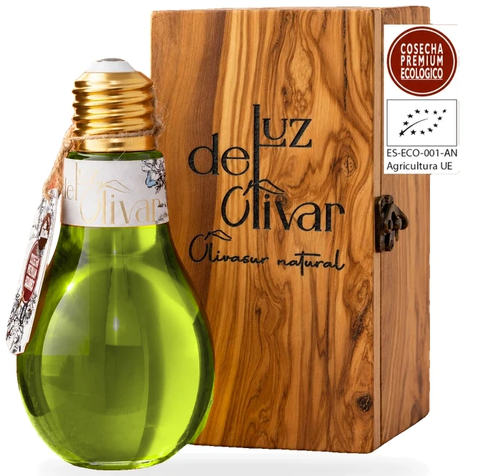
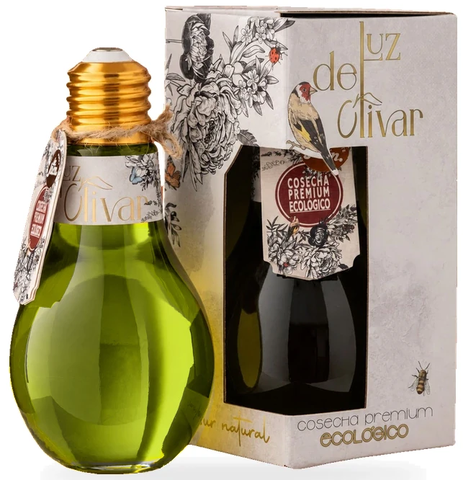
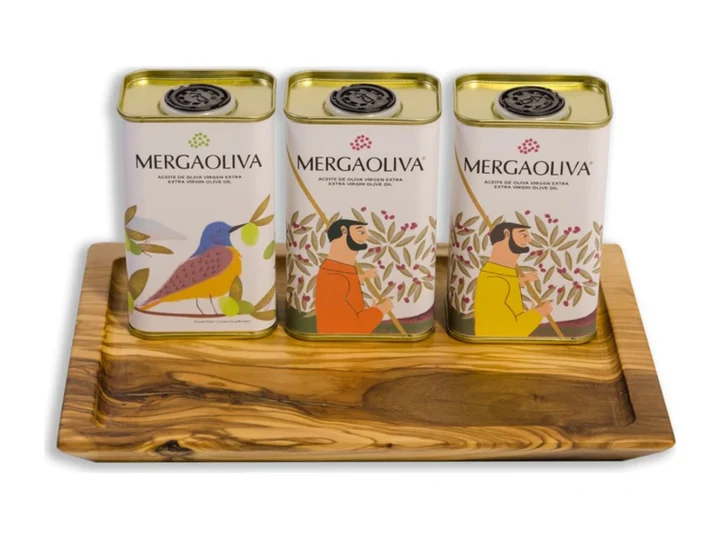
- Runs are limited and are often bottled in premium formats and gift boxes.
That is why an early harvest oil usually has a higher price per litre. In our shop we always show the price per litre, so you can compare formats transparently.
How to enjoy it
- Always raw, where you can really appreciate its aromas: freshly baked bread, grated tomato, salads, carpaccio.
- To finish dishes: a drizzle over a vegetable soup, pulses or chargrilled fish.
- As a gift: early harvest gift boxes are one of the most appreciated food gifts of the season.
- Use it within a few months of opening and keep it in a cool, dark place.
If it is unfiltered, you will see sediment settle at the bottom over time. This is natural: it is best enjoyed in the first few months.
Organic early harvest oils in our shop
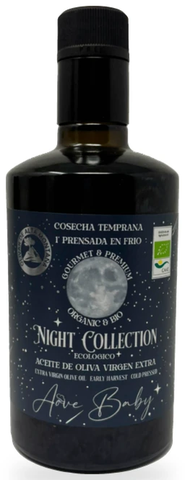
We have selected organic early harvest oils such as Pintarré Verde and Pintarré en Rama from the Sierra Mágina, and Envero by Loxa, whose name refers precisely to that stage of ripening.