Extra virgin olive oil stands out for its aromas, flavour and versatility in the kitchen. This guide looks at its composition, how to taste it and how to store it so you can enjoy every bottle.
In short
- Its composition includes oleic acid and other fatty acids.
- Bitterness and pungency are part of its sensory profile.
- Variety, ripeness and production influence its aromas.
- Light, heat and air affect how well it keeps.
Composition of extra virgin olive oil
Olive oil is almost pure fat: a tablespoon (about 10–12 g) provides between 90 and 110 kcal. What sets it apart from other fats is its composition:
- Oleic acid (omega-9), a monounsaturated fat that usually makes up between 55 and 83% of the total, depending on the variety and the ripeness of the olives.
- Polyphenols such as hydroxytyrosol, tyrosol, oleuropein and oleocanthal, responsible for bitterness and pungency.
- Vitamin E (tocopherols), a fat-soluble antioxidant.
- Other minor compounds: squalene, phytosterols and pigments such as chlorophylls and carotenoids.
These minor compounds make up barely 1–2% of the olive oil, but they are what makes the difference between an extra virgin and a refined oil, which loses most of them during refining.
Understand the olive oil category
Extra virgin describes a category of olive oil, rather than an olive variety or a container size. Virgin oils are obtained from the fruit by mechanical or other appropriate physical processes. The extra virgin category requires compliance with the relevant composition and sensory assessment criteria. An attractive bottle or an appealing description cannot replace the product designation. Start by reading that designation, then compare origin, variety and tasting notes. This gives you a clearer starting point than choosing solely by the appearance of the packaging.
It also helps to distinguish information in a sales description from the results of a batch analysis. Acidity is an analytical parameter: it does not describe flavour on its own and cannot be measured by tasting a spoonful. Nor can that single figure, separated from the other criteria, tell you which bottle you will enjoy most. If you want a particular measurement, check whether the producer publishes it for that olive oil and harvest. A general characteristic of a variety is not a laboratory result for every bottle made from it.
Variety, origin and harvest are different details
The variety identifies the olives used; the origin tells you where they come from, and the harvest refers to the picking period. These details complement one another. Two oils from the same variety can have different profiles because of fruit maturity, growing conditions and production choices. A blend of varieties can also have a distinctive character. Read the description without treating one word as a guarantee of intensity. The producer’s specific tasting notes can help you understand what you might find when you open that particular container.
Early harvest provides context about when the olives were picked, but does not replace the category or batch information. When shopping, compare the declared harvest and the best-before date, which answer different questions. The first concerns picking; the second provides guidance about the product’s keeping quality under its labelled conditions. Keep this information if you want to repeat a purchase. It will help you compare particular bottles and remember which combination of aroma, intensity and size worked best with the food you usually prepare at home.
Bitterness and pungency: tasting notes
Bitterness and pungency are sensations you may notice when tasting extra virgin olive oil. Their intensity varies between oils. Compare aroma, balance and the combinations you enjoy in the kitchen when choosing a bottle.
A straightforward olive oil tasting at home
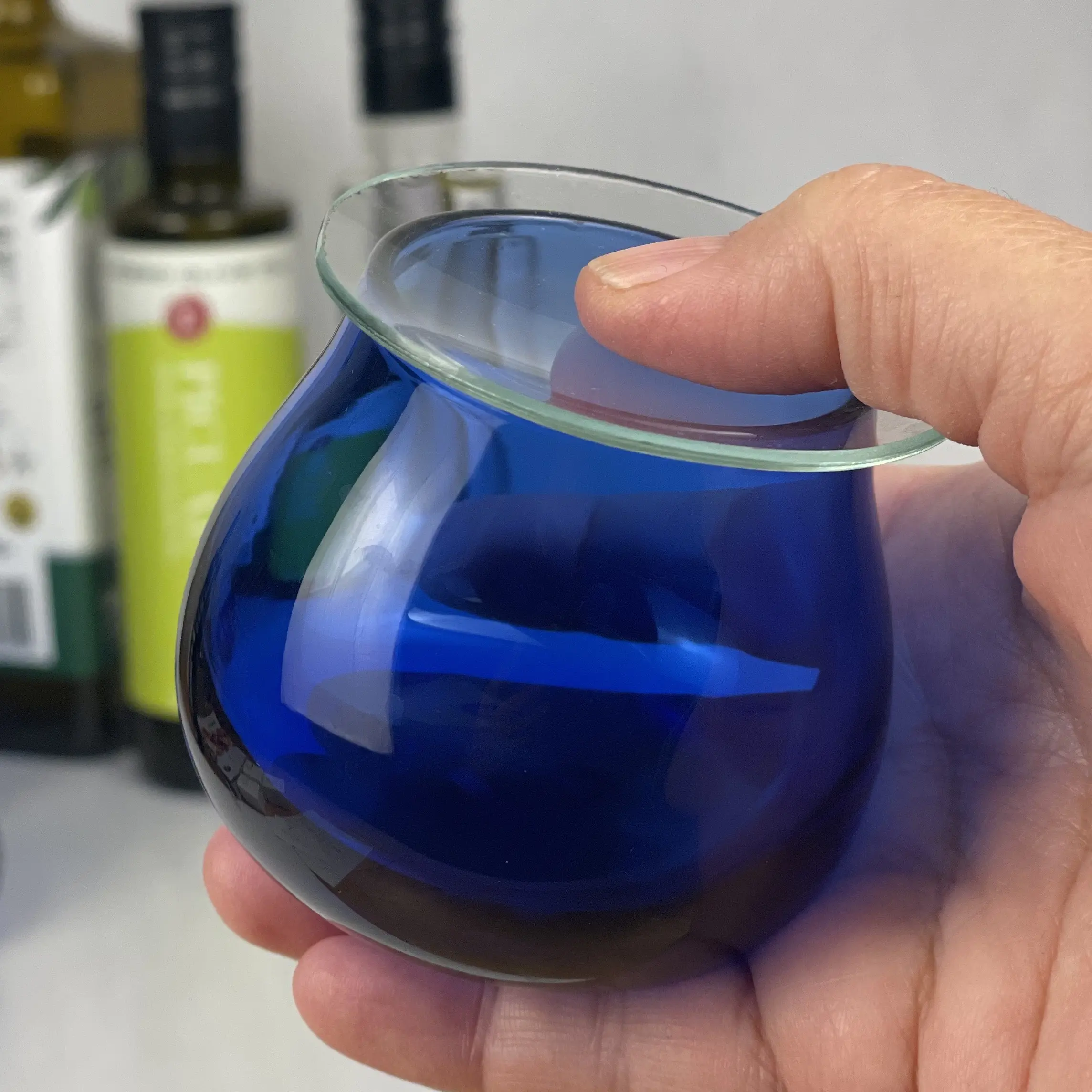
To compare oils, prepare two small, clean containers with no detergent residue or lingering food smells. Pour a little into each and keep the samples clearly identified. Choose a quiet moment when you are not cooking with strongly scented spices nearby. Bring the container towards your nose first and notice the aromas you recognise, then taste a small amount. You do not need to guess technical terms. Familiar impressions such as grass, fruit, almond or tomato are useful notes when you can actually identify them in the sample.
Taste the samples separately, allowing a pause between them and drinking water if you need it. Notice whether the aroma lingers, how the bitterness feels and when pungency appears. Avoid collapsing every sensation into a single description of strong or mild. An olive oil may be highly aromatic with moderate pungency, or have pronounced bitterness that you enjoy with certain foods. Your notes are a way of choosing and comparing what you like. They are not a substitute for the classification carried out by a professional tasting panel.
Move from the tasting glass to the plate
After tasting the olive oil on its own, repeat the comparison with a simple food. Divide a piece of toast or a boiled potato into two portions and add a similar amount of each sample. Keep the salt and other ingredients identical, or leave both portions unseasoned. The food’s texture can change how you perceive the oil. Write down which combination seems more balanced and why. This second comparison can be more useful for everyday shopping than trying to identify an olive variety in a blind tasting.
If a sample seems too intense, you need not rule it out for every recipe. Try using less or pairing it with more assertive ingredients. When comparing oils, avoid adding salt or vinegar before identifying their flavours, as that changes several things at once. Keep a short list of combinations you enjoyed and consult it when shopping. The aim is to recognise your preferences and serve a suitable amount. Neither bitterness nor pungency should be turned into a promise about the health effects of a particular bottle.
Olive oil in the kitchen
Thanks to its oleic acid and antioxidant content, extra virgin olive oil is very heat-stable and copes well with home frying, which is usually done at between 160 and 180 °C. Some tips:
- Don’t let it smoke and don’t heat it more than necessary.
- For frequent frying you can use a milder EVOO; save the most aromatic ones for using raw.
- Filter the oil after use and discard it when it darkens or smells strong.
Choose how much to add and when
In a frying pan, start with an amount that lets you work with the ingredients, then adjust to the recipe. Vegetables, fish and a dough do not call for the same technique. If you intend to finish the dish with uncooked olive oil, allow for that second addition from the start. Avoid using an excessive amount during cooking and adding a generous drizzle afterwards simply out of habit. A teaspoon or clean dispenser can help you repeat results. Taste the finished dish before deciding whether it needs more oil or seasoning.
One olive oil for cooking and another for finishing dishes can make a pantry easier to organise. Having two bottles is optional: one that you enjoy may serve both purposes. If you want to compare finishing oils, prepare the same dish and change only that final addition. For example, divide a vegetable soup between two bowls and finish each with a few drops of a different sample. This lets you judge whether the aromatic difference matters to you, without making two separate recipes or wasting ingredients.
Salads, vegetables and warm dishes
For a salad, drain the leaves thoroughly before dressing them. Excess water dilutes the dressing and makes it harder to distribute evenly. Add a little olive oil, toss gently and taste a leaf before adding more. If you use vinegar or lemon juice, incorporate it gradually and adjust the overall balance. The result should be lightly coated salad leaves, not leaves floating in a pool of oil. Tomatoes and other juicy ingredients will also release some liquid as the salad is mixed and served at the table.
For roasted vegetables or soup, add the finishing olive oil after serving, once you have checked seasoning and texture. Distribute a few drops or a small drizzle over the surface and taste. With sauces or doughs, follow the recipe’s quantities and method: substituting one fat for another may change consistency as well as aroma. If you experiment with a substitution, make a small batch first. Note the amount used and the result, so that next time you have a clear starting point rather than having to improvise again.
Enjoying it every day
Use olive oil as an ingredient in your recipes, adjusting the quantity to each dish. To enjoy its aromas:
- Choose extra virgin from the latest season and use it within a few months of opening.
- Use raw oils on toast, salads, soups and vegetables, where their aromas are preserved intact.
- Keep it away from light and heat. We explain how in how to store olive oil.
Arrange your pantry to store olive oil
Choose a storage space protected from light and heat, away from the hob and a sunny window. A decorative bottle beside the cooker can be convenient, but it receives heat whenever you cook. Keep the main container in a suitable cupboard and take it out as needed. Replace the cap after pouring, rather than leaving the bottle open throughout food preparation. Check that the neck is clean too, so that the closure can be tightened properly without a build-up of residue around it.
If you buy a large container and prefer a small table dispenser, choose a clean, dry, food-safe vessel that protects its contents from light. Transfer only the amount you expect to use soon. Avoid repeatedly topping up a dispenser that still contains old olive oil: finish its contents and clean it before refilling. Keep the transferred oil identified and retain the original container with its information. This way, a more convenient serving arrangement does not mean losing the details of origin, batch identification or best-before guidance supplied by the producer.
A simple routine after opening
Write the opening date on a label or in your shopping list. It helps you see how long your household takes to finish a bottle and choose the next size more confidently. You do not need to open every bottle in a pack on the same day. Enjoy one and keep the others sealed, following the producer’s instructions. Before opening another, consider whether you want a brief comparison or really need several oils available at once. Fewer open containers make storage and rotation easier to manage.
Start by serving small amounts and adjust on the plate. This helps you appreciate the flavour and keep the area around the bottle clean. If an olive oil has lost its aroma or develops a smell you do not remember from opening it, review how it has been stored and ask the seller if you have concerns. Do not try to hide an altered smell with spices. Appropriate storage and buying an amount suited to your consumption are practical choices; a picture or description cannot compensate for a poorly stored container.
Choosing olive oil to suit the dish
Start with how you plan to use it. For toast, salad or vegetables finished with raw olive oil, look for an aroma you enjoy and an intensity that works with the other ingredients. For a delicate recipe, try a small amount before adding more. No variety is best for every preparation: what matters is how it fits your dish and the flavours you prefer. Compare two oils with the same food, such as a piece of unsalted bread or a simply cooked vegetable. This makes it easier to distinguish their differences without adding other seasonings.

Choose with the whole dish in mind
Think about the complete dish first. Delicate salad leaves, ripe tomatoes, spiced pulses and toast with cheese offer different starting points. Begin with an olive oil you already know and adjust the amount. If you are trying a new bottle, compare a small portion before dressing the whole serving dish. You may want the oil to accompany the ingredients discreetly or to play a leading role. Either choice makes sense if you enjoy the result. What matters is that the combination feels balanced to the people eating it.
Tasting notes provide guidance for this choice; they are not a list of added ingredients. If a description mentions almond, grass or tomato, it refers to aromatic impressions. Check the ingredients list separately when you need to know whether a product contains something else. For a gift, work from preferences you know: someone who enjoys intense flavours may appreciate a different selection from someone beginning to explore oils. A pack of small bottles can help with comparisons, provided the description clearly states the varieties and number of bottles included.
Compare varieties without rigid rules
A variety can help you explore, but it does not restrict a bottle to just one food. Read the specific profile of the olive oil available and try it with recipes you actually cook. If you buy two varieties, keep them identified and alternate them with the same dish over several days. Note whether you prefer one uncooked, another for finishing vegetables or both for cooking. You may also find that two oils from the same variety taste different. Comparing particular products gives you more information than a blanket rule about an entire region.
If choosing feels difficult, narrow it down to three questions: what recipes do you prepare, what intensity do you enjoy and how much do you use? Then look for product information that answers those needs. You do not need to begin with the most expensive bottle or the largest container. A small first purchase gives you time to get to know the olive oil and decide whether you would buy it again. Afterwards, you can adjust size and quantity based on your own cooking experience rather than accumulating bottles with similar-sounding descriptions.
Choosing a format you can finish
Before buying, consider how much olive oil you normally use and where you will store it. A small bottle can be practical for discovering a variety; a larger format can suit a household that shares it and uses it regularly. Compare the price per litre, but also how easy the container is to pour from, close and protect from light. Check the label: producer, category, quantity, best-before date and storage instructions. For a pack, check the number of units and the capacity of each bottle. Choose a quantity you can use without keeping several containers open for a long time.
Information about categories and production: International Olive Council.
Discover more guides to tasting, varieties and storage in our magazine.
Compare olive oil sizes and prices
Price per litre lets you compare containers of different capacities. To calculate it, divide the product price by its volume in litres. A 500 ml bottle contains half a litre, for example, while a 250 ml bottle contains a quarter. A pack of six 500 ml bottles contains three litres in total. Always check whether the displayed price refers to one bottle or the complete pack. Delivery charges are considered separately under the conditions of your purchase and depend on the destination and service available at checkout.
A lower price per litre does not guarantee that a size is the most convenient one for you. If you take a long time to finish it or have nowhere suitable to store it, a small bottle may fit your needs better. Consider ease of pouring, cupboard space and whether several people share the olive oil. For a gift, think about the number of recipients and their individual preferences. Compare the actual product and contents without mistaking a presentation box for an additional quantity of oil.
Check the selection before buying
Before adding a bottle to your basket, check category, variety or blend, origin, declared harvest and volume. If the product page offers several options, select the capacity you want and check that option’s price. A photograph may show another format within the same range; the quantity you are buying should be clear in the name and selection. With packs, confirm both the number of units and each bottle’s capacity. If information important to your choice is missing, ask about it before completing the order rather than making an assumption.
Finally, review your delivery address and the shipping conditions displayed during checkout. Do not assume all destinations or services have the same charge. When the olive oil arrives, check that the container and closure are in good condition and keep the batch information. Store bottles according to their labels and use the one opened first before opening another. This short review connects choosing in the shop with using the oil at home: buying a sensible quantity, identifying what arrives and enjoying it in the meals you normally prepare.