
“Extra virgin” is not a marketing adjective: it is a commercial category defined by law, backed by laboratory analysis and an official tasting. Understanding what sets it apart from other olive oils is the best tool for buying well, and for telling a decent oil from a truly exceptional one.
In short
- Extra virgin olive oil (EVOO) is olive juice obtained by mechanical means only, without refining.
- To be “extra” it must pass chemical analyses (acidity ≤ 0.8%, among others) and a panel tasting with no defects at all.
- Acidity cannot be tasted: a pungent or bitter oil is not “acidic”.
- A premium EVOO can be recognised by its harvest date, variety, origin and a clean, intense aromatic profile.
The four categories of olive oil
EU rules distinguish several categories. Four of them sit side by side on supermarket shelves, and it pays not to confuse them:
| Category | How it is obtained | What it requires |
|---|---|---|
| Extra virgin olive oil | Mechanical processes only, unrefined | Acidity ≤ 0.8%, no defects in tasting and fruitiness present |
| Virgin olive oil | Mechanical processes only, unrefined | Acidity ≤ 2% and slight defects tolerated |
| Olive oil composed of refined olive oils and virgin olive oils | Blend of refined and virgin oil | An industrially corrected product |
| Olive-pomace oil | Extracted from the pomace with solvents and refined | Not olive oil in the strict sense |
Only the first two categories are, literally, olive juice. And of those, only extra virgin reaches the table without any sensory defect.
What an oil has to pass to be “extra virgin”
The classification relies on two complementary types of test:
1. Physico-chemical analysis
The best known is free acidity, which in extra virgin olive oil cannot exceed 0.8% expressed as oleic acid. It is not a taste: it measures the breakdown of triglycerides, which increases when the olives arrive damaged or fermented, or are milled late. Alongside it, the peroxide value (early oxidation), ultraviolet absorbance (K232 and K270, which reveal oxidation and treated oils), ethyl esters and other purity parameters are analysed.
2. The official tasting or “panel test”
A panel of trained tasters, following the International Olive Council method, tastes the oil blind. To be extra virgin, the median of defects must be zero and the fruity attribute must be present. One perceptible defect (fusty/muddy sediment, musty, winey, rancid…) is enough for the oil to drop a category, however low its acidity.
From tree to bottle: why the process makes the difference
EVOO is made at the mill in a few simple steps, but each one leaves its mark on quality:
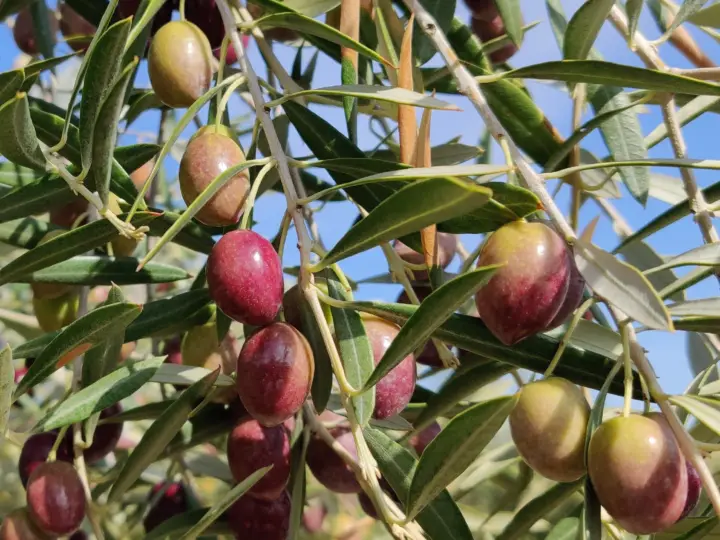
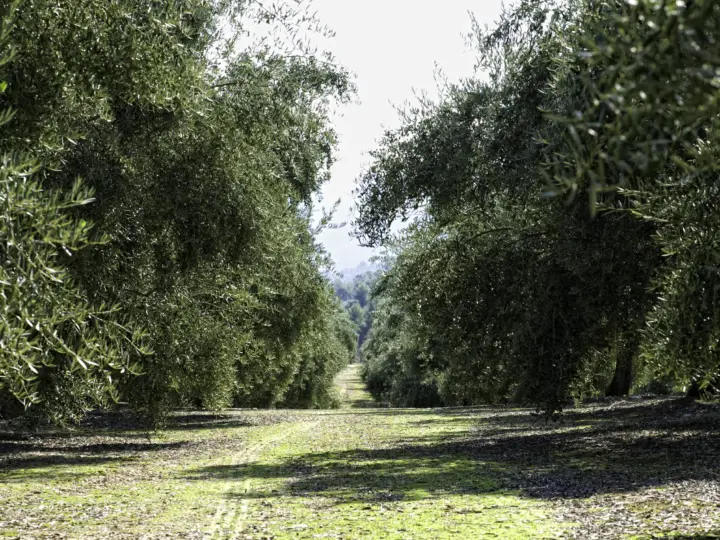
- Harvesting. The olives are picked straight from the tree, healthy and at the right point. Fruit that has fallen to the ground is kept apart: it usually gives defective oils.
- Milling within hours. The less time the fruit waits, the less it ferments. Quality mills process the olives on the day they are picked.
- Malaxation at a controlled temperature. The paste is gently stirred so that the oil droplets come together. Keeping the temperature below 27 °C preserves aromas and antioxidants; hence the term “cold extraction”.
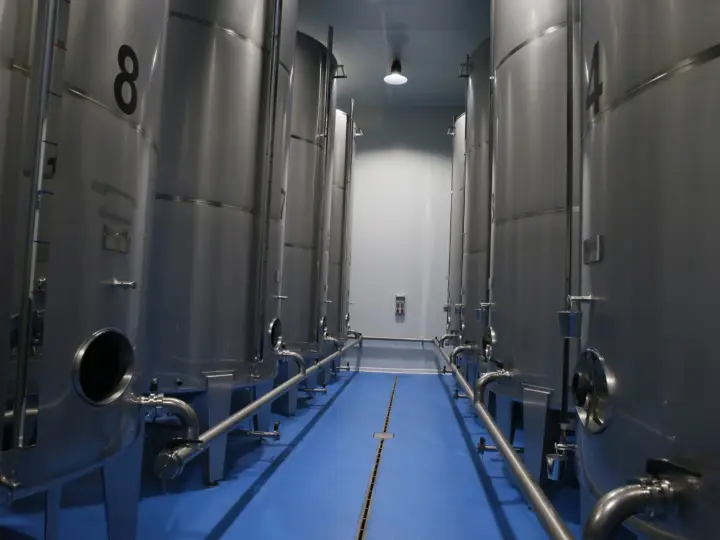
- Separation by centrifuge, settling or filtering, and storage in stainless steel tanks, protected from light and oxygen.
How to recognise a premium extra virgin olive oil
All extra virgin oils meet minimum standards, but there is a huge gap between a decent EVOO and an extraordinary one. These clues help you find the latter:
- Harvest date or season on the label (for example, “2025/2026 harvest”). Olive oil does not improve with age: the more recent, the better.
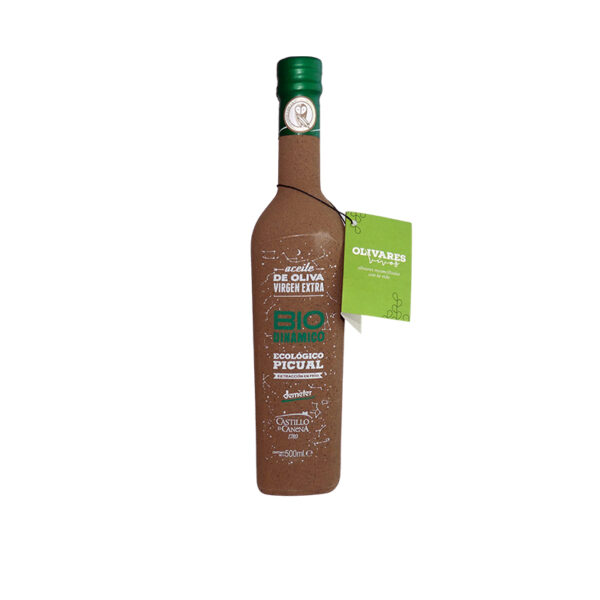
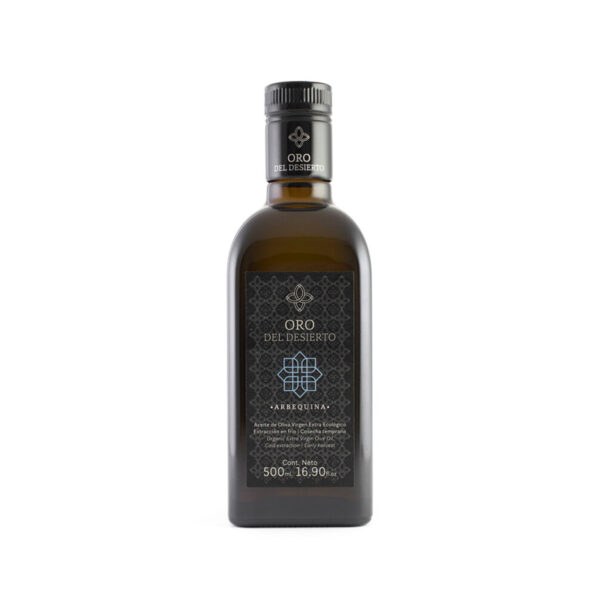
- A specific variety and origin. A single-variety Picual from Sierra Mágina or Arbequina from Les Garrigues says far more than “blend of olive oils from the European Union”.
- Protected Designation of Origin, which adds origin and quality controls to those of extra virgin olive oil itself.
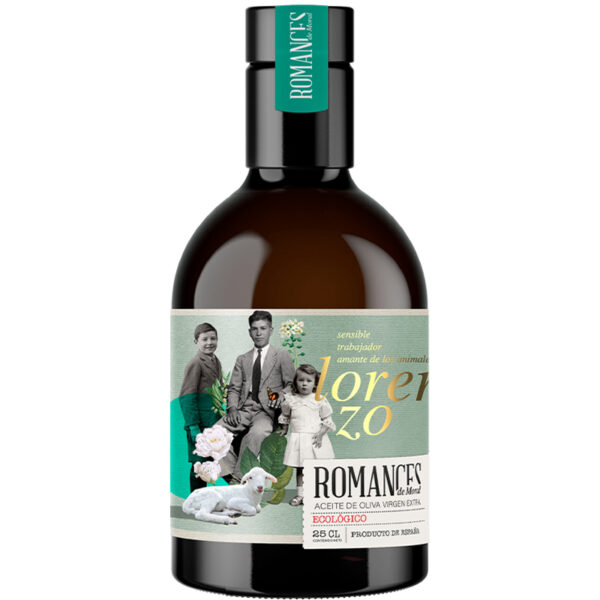
- Opaque packaging: dark glass, a tin or bag-in-box. Light is olive oil’s great enemy.
- A clean, expressive sensory profile: aromas of grass, tomato plant, artichoke, almond or apple, with balanced bitterness and pungency.
- Certified organic production, if you also want olives grown without synthetic pesticides or fertilisers.
To dig deeper, read what early harvest olive oil is and how to taste olive oil at home.
What the label says (and doesn’t)
For extra virgin olive oil, the legal name (“extra virgin olive oil”), the statement “superior category olive oil obtained directly from olives and solely by mechanical means”, the origin, the quantity and the best-before date are mandatory. Some terms may only be used under certain conditions: “first cold pressing” or “cold extraction” require temperatures below 27 °C, and acidity may only be stated together with other analytical parameters.
What the label almost never tells you is the most interesting part: how the grove was farmed, when the olives were picked and what you will find in the glass. That is why in our shop we show the variety, producer and price per litre of every oil, so you can compare with confidence.