If you set an organic extra virgin beside a conventional one, the organic oil will usually cost a little more. It is not a whim of the label: behind it there is a grove that yields less, hands that work where others spray, and a control system that watches everything, from tree to bottle. Here is where each euro of difference comes from.
In short
- Without synthetic fertilisers, organic groves usually yield fewer olives per hectare.
- Controlling weeds and pests without synthetic chemicals takes more work.
- Grower, mill and bottler pay for yearly certification and inspection.
- To compare, always use the price per litre, not the bottle price.
1. Organic groves yield less
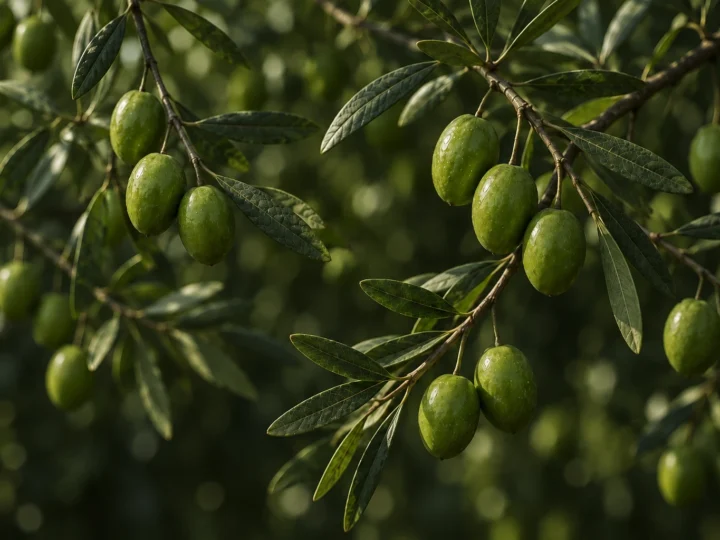
In an organic grove, the tree is fed slowly: with compost, manure, pruning residues and cover crops that release their nutrients at the pace of the soil, not all at once like a synthetic fertiliser. The result is usually a smaller harvest, and every kilo of olives is worth more.
2. More work in the field
Without herbicides, the grass between trees is mown or grazed; without synthetic pesticides, pests are monitored with traps, beneficial insects and authorised natural treatments applied at the right moment. All of that means hours of work and machinery that show in the final cost.
3. Certification has a cost
Every organic operator, from grower to mill, is registered in a control system and inspected at least once a year, with analyses and a full traceability check. That guarantee, the one that lets you trust the logo, is part of the price too. We explain it in what the organic logo guarantees.
4. Smaller productions
Many organic mills are cooperatives or family estates that make small batches kept separate from conventional oil. Running dedicated lines and tanks for organic oil also has a cost.
How to compare prices fairly
The most common mistake is comparing bottles of different sizes. A 250 ml bottle can look cheap and turn out expensive per litre. That is why our shop shows the price per litre for every oil and format. Three tips:
- Always compare €/litre, and between oils of the same variety or style.
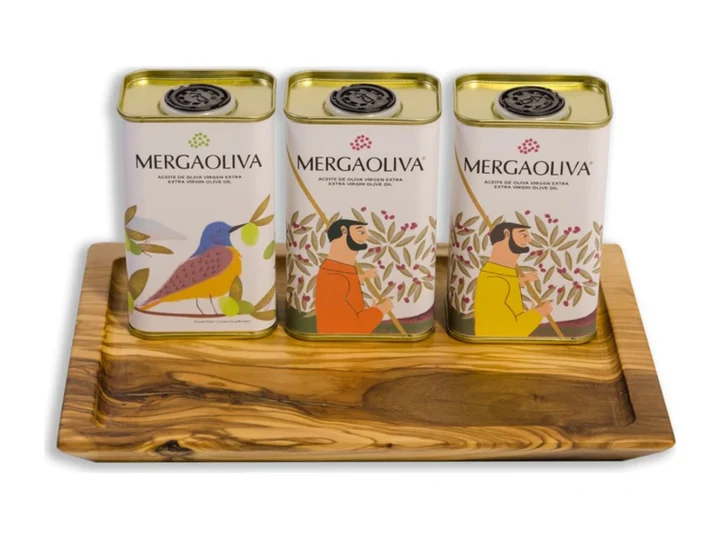
- For everyday cooking, choose a large format: organic oil in 5-litre containers and tins has the lowest price per litre.
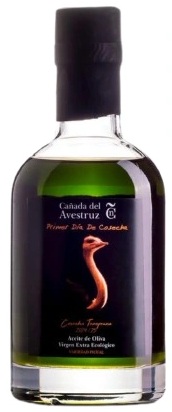
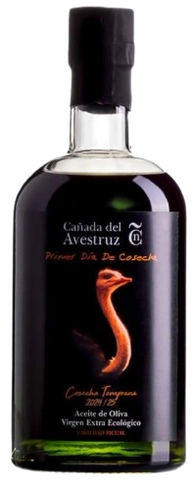
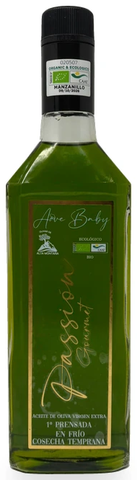
- For dressing and tasting, a bottle: 250 and 500 ml bottles let you try several varieties before deciding.
So, is it worth it?
It depends on what you are looking for. If you want an extra virgin from a grove farmed without synthetic chemicals, checked by an independent body every year and with the flavour of well-tended olives, the price difference has a story behind it, and it is worth knowing. It is the same reason why this shop only sells organic oil.